
"A mathematics stripped of its humanity, its plurality, and its meaning is a mathematics in service of coloniality."
About Math Plural
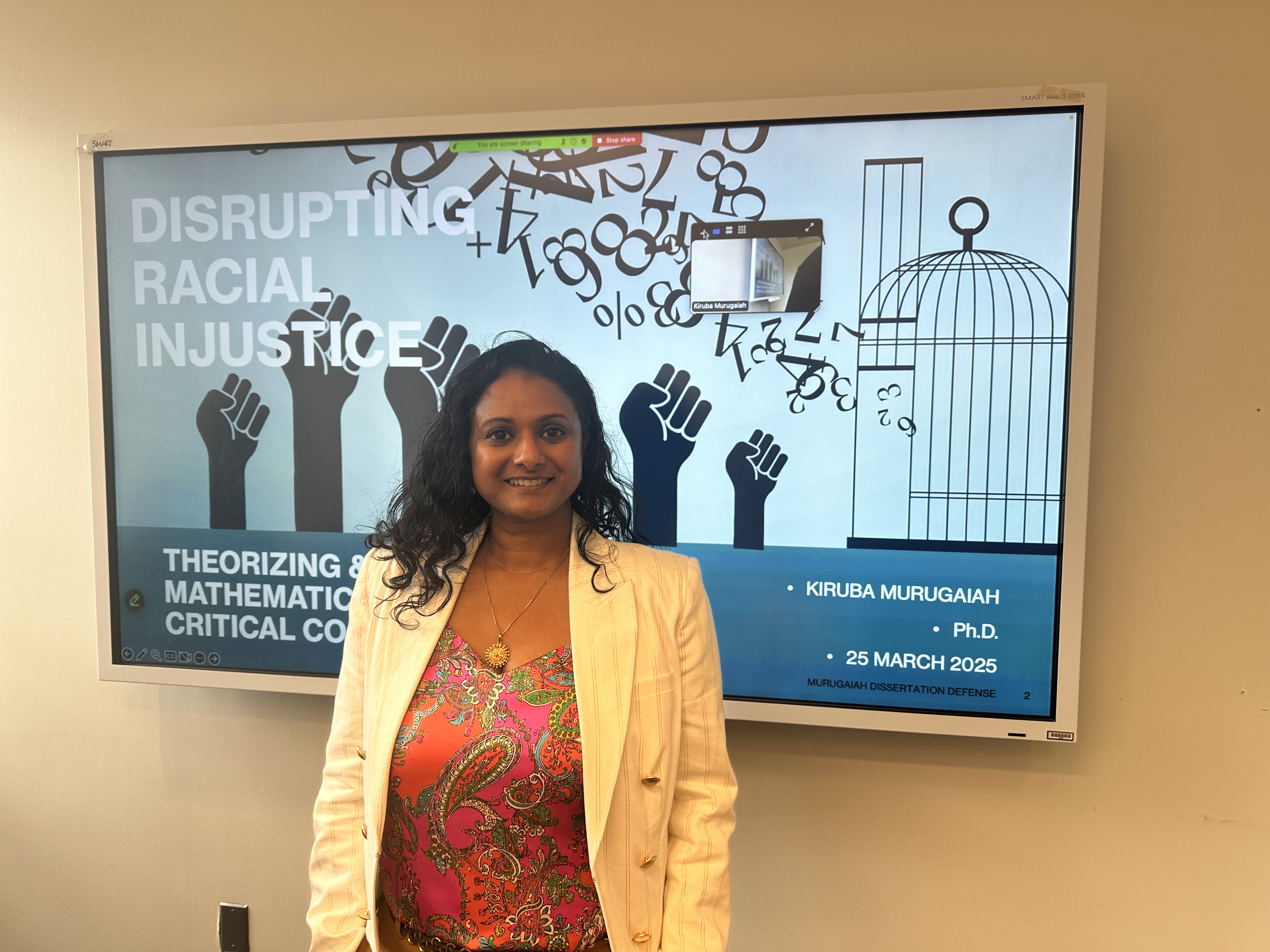
Founded by Kiruba Murugaiah, Ph.D., Math Plural aims to build a network of teachers and scholars seeking to understand what it means to 'decolonize mathematics.'
Math Plural invites your collaboration in imagining the possibilities for epistemic pluralism in K-12 mathematics education globally.
Join the groups. Share your resources. Build community.
Kiruba is an educator, scholar, traveler, and dancer whose work spans mathematics education, teacher education, and education in crisis contexts.
What I've come to understand.
I grew up learning mathematics as most of us do, to find the "right" answer. I rarely questioned the why, and least of all how it all came to be or for what purpose.
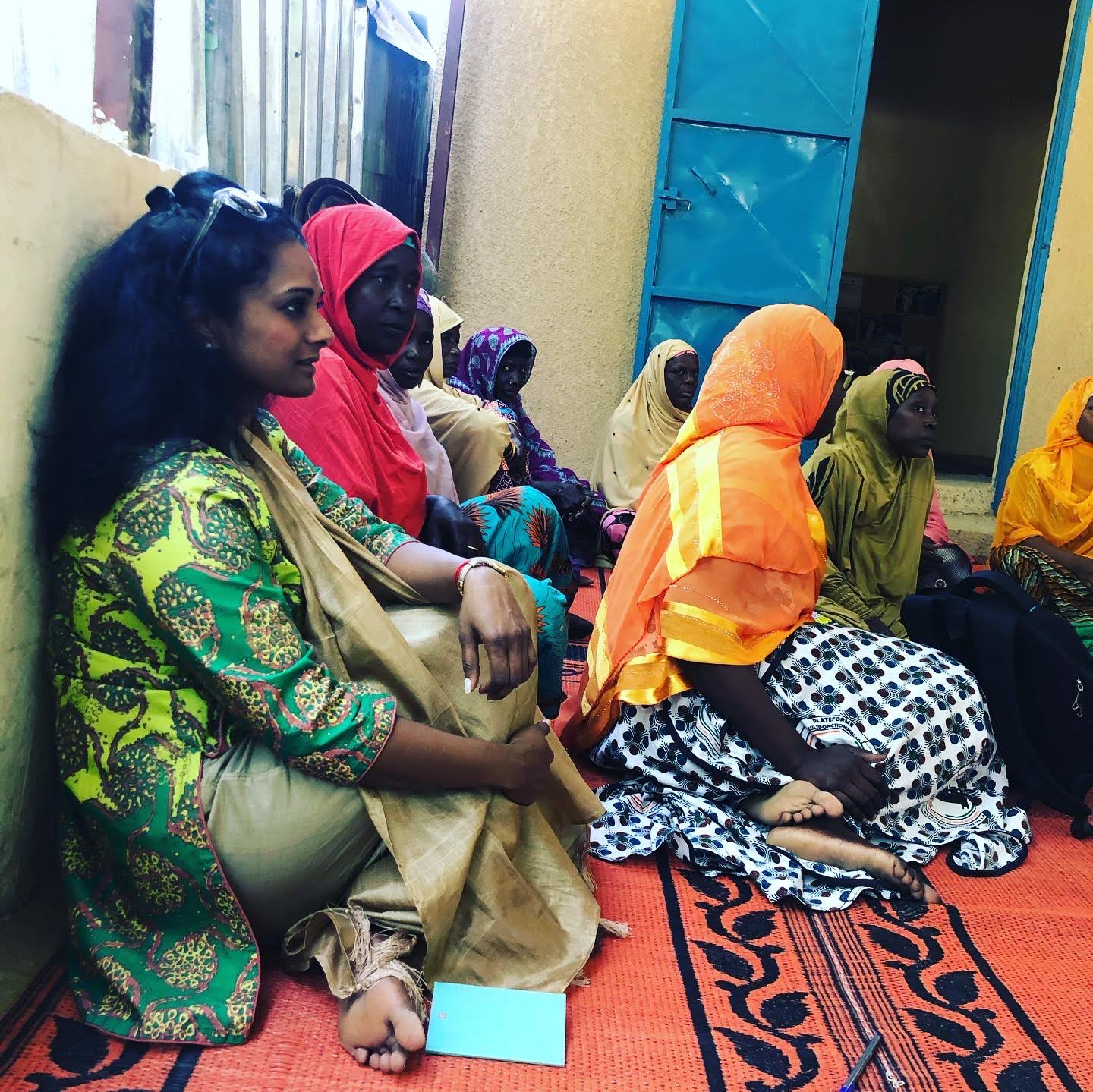
It took years of learning across cultures — from Sri Lanka to Guyana to Seattle and Boston, to Europe as a student, and across the U.S. and sub-Saharan Africa as an educator and practitioner — for me to begin to make sense of why so many are fearful of and "failing" at mathematics.
Decolonial theory has given me the language for what I had witnessed across continents and countless classrooms: mathematics education, as it is practiced in the United States and exported globally, operates on an epistemology of coloniality.




What concerns me.
Two misleading ideas hide the liberating power of teaching and learning mathematics.
The first is the belief that math education naturally supports democracy. In reality, under the banners of “citizenship,” “globalization,” and “equity,” math curricula have often been shaped to serve U.S. national security and corporate economic interests.
The second is the belief that mathematics is universal, objective, and culture-free. We are told that 1 + 1 = 2 is always true, no matter what. But the right answer is —"it depends."